
Customer Retention Strategy to Reduce Churn and Grow
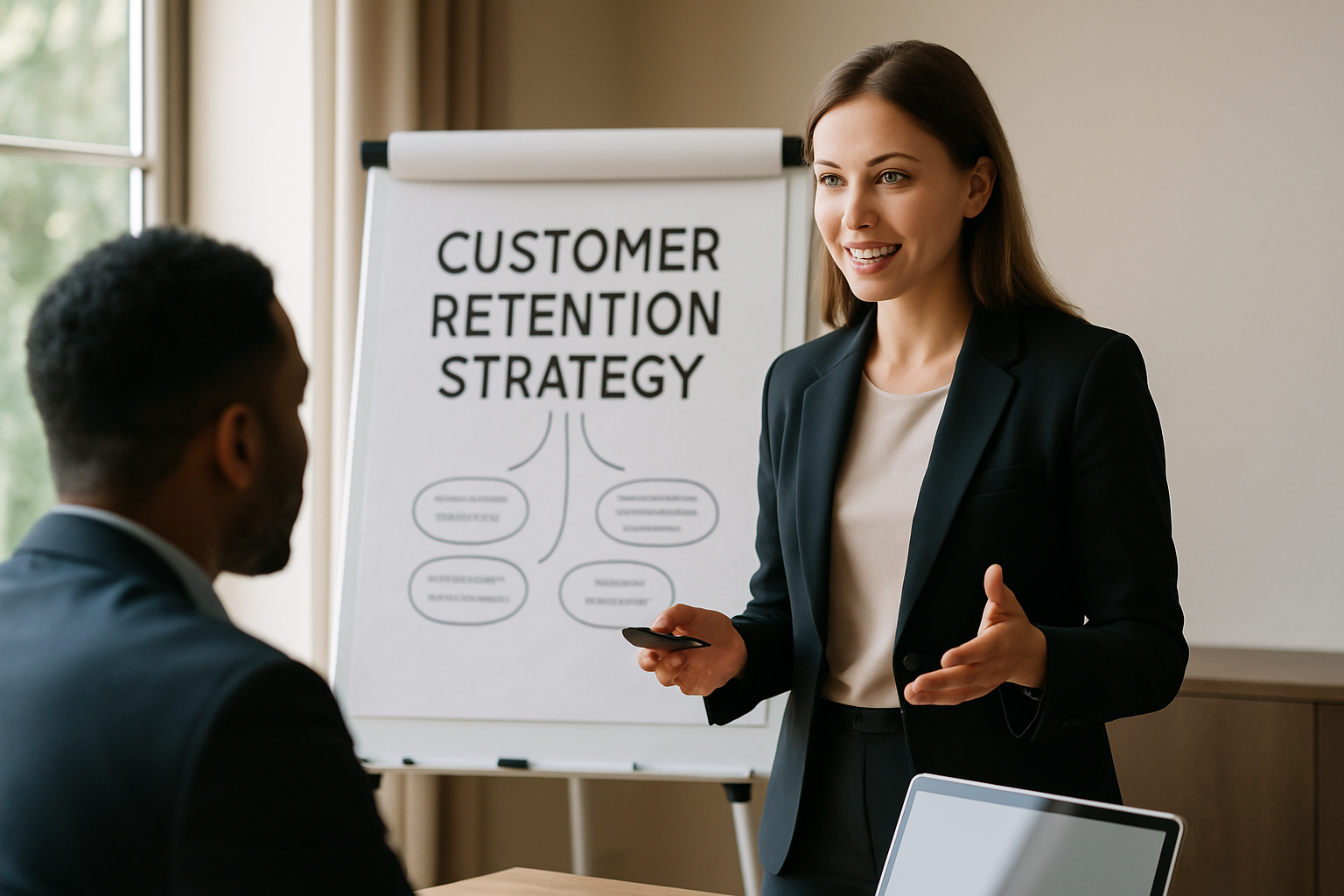
Winning new customers matters, but keeping good customers often determines whether growth becomes stable or expensive. A business may keep adding sales while losing established accounts through slow responses, uneven service, weak follow-up, or unresolved frustration. When this pattern continues, employees spend more time replacing lost revenue instead of strengthening valuable relationships.
At Strategic Solutions, we help leaders connect customer experience with strategy, leadership, team performance, and accountability. A useful retention plan does more than encourage employees to “provide better service.” It identifies where customers lose confidence, defines clear service expectations, and gives people practical tools for protecting loyalty.
Identify Why Customers Leave
The first step is learning what customers experience before they cancel, stop buying, or move to a competitor. Leaders should review complaints, refunds, missed renewals, support requests, lost accounts, and feedback from frontline employees.
Exit conversations and short surveys may also reveal patterns. Price may appear to be the reason for leaving, while the deeper problem involves poor communication, inconsistent delivery, or limited value. Better information helps leaders focus on the real cause instead of fixing the wrong issue.
Define the Customer Experience
A retention strategy needs specific standards. Customers should know when someone will respond, who owns their concern, how progress will be communicated, and what happens when service falls short.
Clear standards also help employees work with confidence. Team members need authority, escalation paths, and shared expectations. Without these pieces, customer concerns often bounce between departments until patience runs out.
Strengthen Internal Communication
Many customer problems begin inside the company. Sales may promise one experience while operations prepares for another. Account managers may lack details from earlier conversations. Support teams may solve the immediate issue without sharing information needed to prevent a repeat.
Team performance coaching helps employees improve handoffs, clarify roles, manage conflict, and coordinate decisions. Strategic Solutions focuses on real workplace challenges, shared expectations, and practical accountability. Stronger internal cooperation creates a more consistent customer experience.
Build Accountability Into the Plan
Retention will not improve through good intentions alone. Leaders need action steps, clear ownership, deadlines, and regular reviews. Managers should coach employees, reinforce service standards, and address recurring breakdowns before they become normal.
A strategic planning process will help connect retention goals with priorities, measurable outcomes, and targeted actions. Reviews keep the plan active while giving leaders room to adjust when customer needs or business conditions change.
Track Useful Retention Measures
New sales should not be the only number receiving attention. Leaders may also review renewal rates, repeat purchases, referrals, complaint patterns, response times, account growth, and reasons for cancellation.
The goal is not to bury the team in reports. A small set of meaningful measures will help leaders spot trouble early and recognize progress. Metrics also create more productive coaching conversations because decisions rely on evidence rather than assumptions.
Connect Loyalty With Sustainable Growth
Customer retention supports steadier revenue, stronger referrals, and better use of the time already invested in earning each account. It also reduces pressure on sales teams to replace preventable losses month after month.
Strategic Solutions uses coaching, facilitation, assessments, strategic planning, and team performance development to help organizations improve execution. Contact us to discuss your customer retention challenges and build a practical plan to reduce churn, strengthen loyalty, and support profitable growth.